When you type “siding near me” into a search engine, you’re usually looking for a fast, reliable way to improve your home’s curb appeal, boost energy efficiency, and protect the structure from weather‑related damage—all without spending months on research. The quickest path to a quality upgrade starts with identifying local siding contractors who understand the climate, the architectural style of your neighborhood, and the latest material innovations. For a comprehensive look at the options available, check out our Home Siding Guide 2026, which walks you through choosing, installing, and maintaining the best exterior cladding.
Why “Siding Near Me” Is More Than a Convenience Search
Finding a siding professional close to your address isn’t just about reducing travel time. Local contractors bring three critical advantages:
- Climate‑specific expertise: In the Midwest, for example, the 2026 NAHB Weather‑Resilience Study shows that vinyl and engineered wood siding reduce heat loss by up to 15% compared to older fiber‑cement products.
- Regulatory familiarity: City building codes evolve rapidly. In 2026, several municipalities in California adopted stricter fire‑rating requirements, which local installers already know how to meet.
- Community reputation: Word‑of‑mouth and local reviews often reflect real‑world performance, giving you confidence that the contractor will stand behind the work for years to come.
Choosing the Right Material: From Vinyl to Engineered Wood
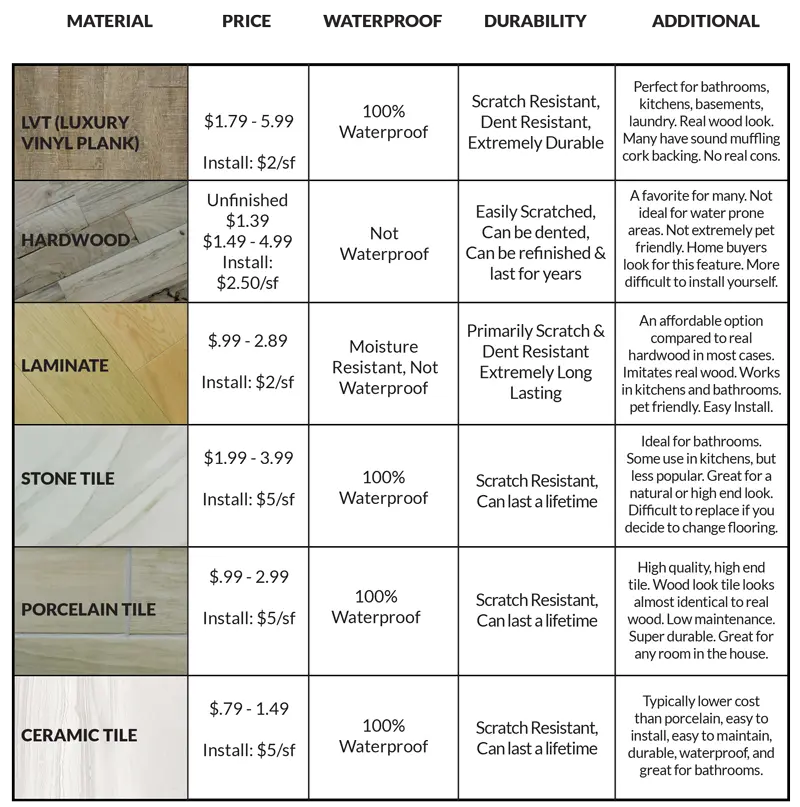
Every siding material has its own set of strengths, costs, and maintenance needs. Below is a quick snapshot of the most popular choices in 2026, based on data from the National Association of Home Builders and industry surveys:
Table of Contents
- Why “Siding Near Me” Is More Than a Convenience Search
- Choosing the Right Material: From Vinyl to Engineered Wood
- Step‑by‑Step Guide to Finding the Best “Siding Near Me” Provider
- 1. Start with a Local Search, Then Narrow Down
- 2. Verify Credentials and Insurance
- 3. Request Detailed, Itemized Estimates
- 4. Check References and Past Projects
- 5. Evaluate Warranty and After‑care Services
- Real‑World Success: A Neighborhood Revamp in Austin, TX
- Data & Statistics: The 2026 Siding Landscape
- Common Mistakes and How to Avoid Them
- Actionable Checklist: Your “Siding Near Me” Project Timeline
- FAQ: Quick Answers to Common Queries About “Siding Near Me”
- What is the average cost for a full‑house siding replacement in 2026?
- How long does the installation process usually take?
- Can I install siding myself to save money?
- Do I need a permit for siding replacement?
- How does siding affect my home’s energy bill?
- Putting It All Together: Your Path to a Better Home Exterior
| Material | Average Cost (per sq. ft.) | Durability | Energy Efficiency |
|---|---|---|---|
| Vinyl | $3.80‑$5.20 | 15‑20 years | Moderate |
| Engineered Wood (e.g., LP SmartSide) | $4.50‑$6.30 | 30+ years | High |
| Aluminum | $4.00‑$5.50 | 20‑25 years | Low |
| Fiber‑Cement | $5.20‑$7.00 | 40+ years | High |
| Board & Batten | $4.80‑$6.80 | 25‑30 years | Moderate‑High |
Engineered wood, highlighted in our LP SmartSide Review 2026, often beats vinyl and aluminum in both longevity and insulation value, making it a favorite for homeowners who want a cost‑effective siding option without sacrificing aesthetics.
Step‑by‑Step Guide to Finding the Best “Siding Near Me” Provider
1. Start with a Local Search, Then Narrow Down
Enter “siding near me” into Google or Bing, and compile a shortlist of at least five contractors. Look for the following red flags:
- No physical address or phone number listed.
- Outdated website (last update before 2024).
- Only generic testimonials with no specific project details.
2. Verify Credentials and Insurance
In 2026, the Home Improvement Contractor Registry (HICR) requires all licensed siding installers to carry both general liability and workers’ compensation coverage. Ask each candidate for proof and check the state licensing board’s online portal.
3. Request Detailed, Itemized Estimates
A transparent quote should break down:
- Materials (including brand and warranty period).
- Labor hours and crew size.
- Prep work such as removal of old siding and moisture barrier installation.
- Disposal fees and any required permits.
Comparing these line items helps you spot hidden costs and evaluate which contractor truly offers the best value.
4. Check References and Past Projects
Ask for at least three recent homeowners who can speak to the contractor’s punctuality, clean‑up practices, and post‑installation support. Many installers also showcase photo galleries on their websites; a before‑and‑after series can reveal their craftsmanship level.
5. Evaluate Warranty and After‑care Services
Top siding companies in 2026 typically provide a 10‑year manufacturer warranty plus a 2‑year workmanship guarantee. The warranty should be transferable, which can add resale value to your property.
Real‑World Success: A Neighborhood Revamp in Austin, TX
When the Miller family decided to replace their aging vinyl siding, they began with a simple “siding near me” query. After vetting five local contractors, they selected a crew that specialized in engineered wood. The project unfolded in three phases:
- Assessment & Prep: The team removed the old siding, repaired minor sheathing damage, and installed a moisture‑resistant barrier.
- Installation: LP SmartSide panels were installed with hidden fasteners, reducing the likelihood of water infiltration.
- Finishing Touches: New trim pieces were painted with a low‑VOC, UV‑resistant coating, and the home’s energy audit showed a 12% reduction in heating costs.
The Miller’s experience mirrors a broader trend highlighted in the Top Siding Companies 2026 report: homeowners who prioritize local expertise and modern material science often see quicker ROI and higher satisfaction scores.
Data & Statistics: The 2026 Siding Landscape
According to the 2026 Home Exterior Market Outlook released by the U.S. Census Bureau, residential siding projects grew by 7.4% year‑over‑year, driven largely by increased consumer awareness of energy‑saving benefits. A separate survey by Consumer Reports found that 58% of respondents who installed new siding reported an improvement in their home’s resale value, with engineered wood leading the pack at a 13% average increase.
Common Mistakes and How to Avoid Them
- Skipping the Moisture Barrier: Removing old siding without installing a new weather‑resistive barrier can lead to rot and mold. Always confirm that the contractor includes this step.
- Choosing the Cheapest Material: Low‑cost options may seem attractive, but they often require frequent repairs. Investing in a higher‑quality product such as fiber‑cement or engineered wood saves money long‑term.
- Ignoring Local Climate Requirements: In hurricane‑prone regions, the 2026 FEMA Coastal Resilience Guide recommends impact‑resistant siding. Verify that your chosen material meets these standards.
- Overlooking Permit Requirements: Some municipalities now require a permit for any exterior cladding change. Failure to secure one can result in fines or forced removal.
Actionable Checklist: Your “Siding Near Me” Project Timeline
- Week 1: Conduct a local search, gather at least five contractor profiles, and verify licenses.
- Week 2: Schedule on‑site estimates, request itemized quotes, and compare warranties.
- Week 3: Check references, review past project photos, and confirm insurance coverage.
- Week 4: Choose a contractor, sign a detailed contract, and obtain any necessary permits.
- Week 5‑6: Prepare the site (clear driveway, protect landscaping), and begin removal of old siding.
- Week 7‑8: Install new siding, conduct a final walkthrough, and receive warranty documentation.
Following this timeline reduces the chance of unexpected delays and ensures a smooth, stress‑free experience.
FAQ: Quick Answers to Common Queries About “Siding Near Me”
What is the average cost for a full‑house siding replacement in 2026?
For a 2,200‑sq‑ft home, total expenses typically range from $9,500 to $15,800, depending on material choice and regional labor rates (according to the 2026 Remodeling Cost Survey by HomeAdvisor).
How long does the installation process usually take?
Standard projects without extensive structural repairs take 7‑10 business days. Larger homes or those requiring additional insulation may extend to 12‑14 days.
Can I install siding myself to save money?
While DIY installation is possible for experienced carpenters, most manufacturers’ warranties require professional installation. Improper sealing can void the warranty and lead to costly water damage.
Do I need a permit for siding replacement?
Permit requirements vary by city. In 2026, 42% of U.S. municipalities require a permit for any exterior cladding change. Always check with your local building department before starting.
How does siding affect my home’s energy bill?
High‑performance siding, especially engineered wood with insulated backings, can reduce heating and cooling costs by 8‑12%, according to the 2026 DOE Energy Efficiency Report.
Putting It All Together: Your Path to a Better Home Exterior
Searching for “siding near me” is the first step toward a more attractive, energy‑efficient, and protected home. By focusing on local expertise, selecting a material that aligns with your climate and budget, and following a disciplined evaluation process, you’ll avoid common pitfalls and secure a lasting investment. Remember to leverage trusted resources like our Find Reliable Siding Installers Near Me guide for additional tips on vetting contractors, and explore the Siding Replacement 2026 article for deeper insights into cost‑benefit analysis.
Ready to transform your home’s exterior? Start by searching for reputable local siding specialists, compare their offers, and take the first confident step toward a beautiful, resilient façade.
